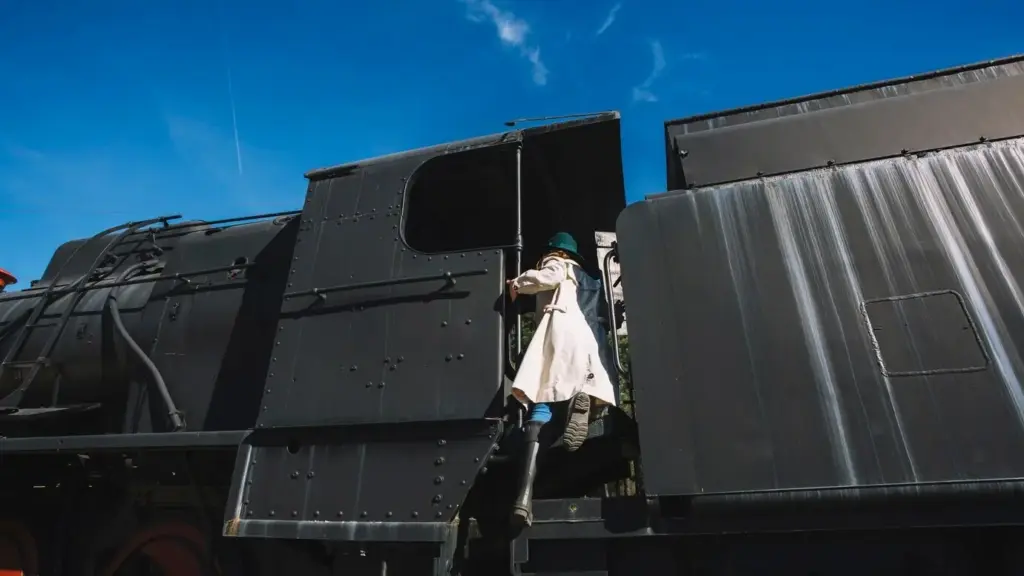


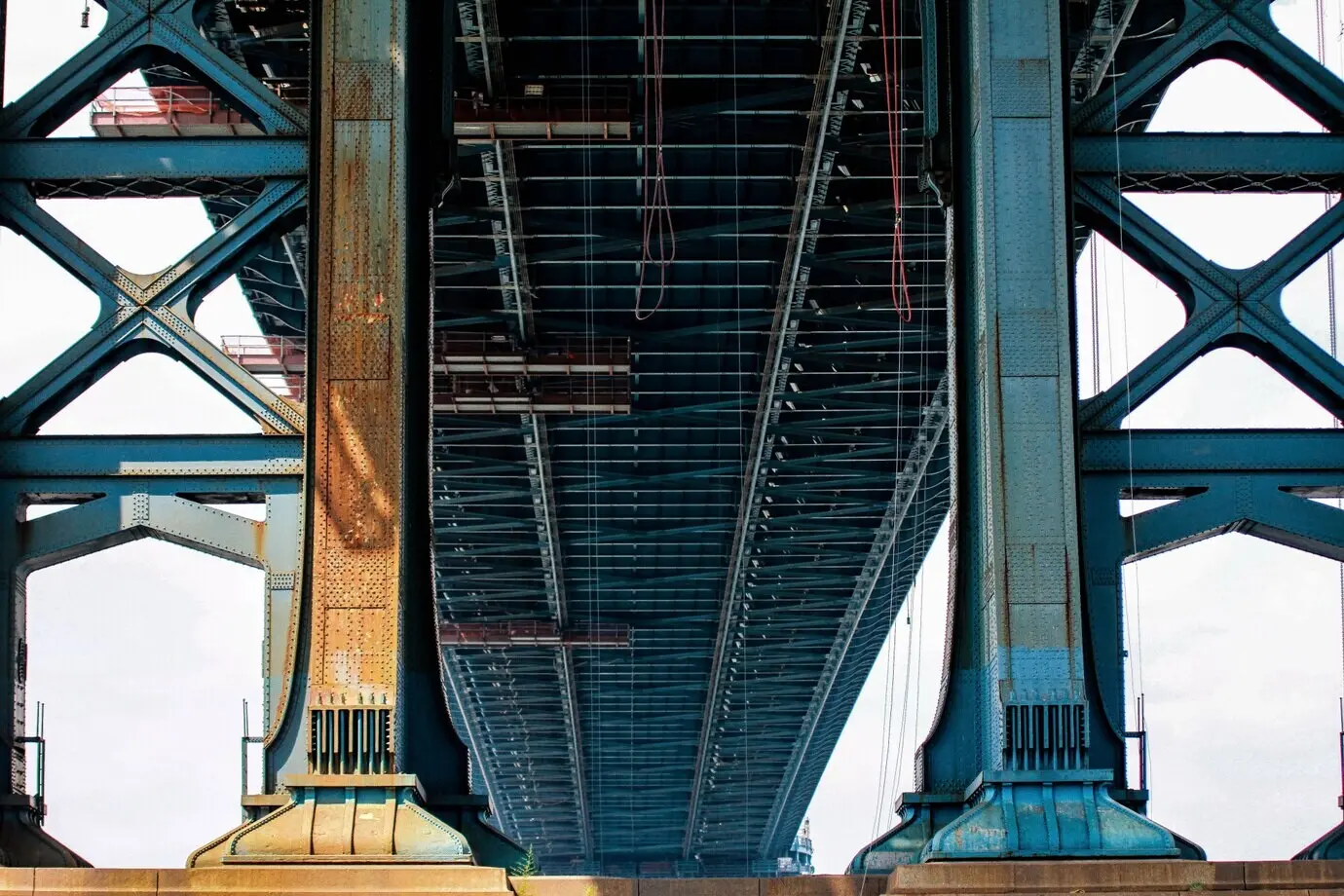
Start with the Bristol and Bath Railway Path, where Sustrans first proved a disused line could become a people’s corridor, linking murals, cafés, and nesting swans. Add the Monsal Trail, whose reopened tunnels stitch limestone dales together. Consider Cornwall’s Camel Trail for estuary light and family-friendly miles. Each offers frequent access points, hire bikes, and clear signage, helping new explorers gain confidence while absorbing layered history through mileposts, bridges, and the steady rhythm of near-effortless progress.
Spring brings primroses to cutting walls and birdsong echoing under brick arches, while summer extends evenings for golden-hour returns across viaducts. Autumn scatters copper leaves along ballast residues; winter reveals sweeping views when hedges thin. Pick a pace that suits conversation or quiet reflection, pausing where interpretation boards invite curiosity. Because gradients are gentle by design, you can comfortably extend distance, loop with local paths, or shorten via bus stops and nearby station links without stress.
Look for clues: unusually level terraces on hillsides often indicate an embankment; deep, cool corridors hint at cuttings; lonely stone piers might be viaduct abutments awaiting your imagination. Rusting signal bases, drain covers stamped with railway initials, and telegraph pole stumps whisper of operations once meticulously scheduled. Notice how villages face a former platform, pubs named after engines cluster by crossings, and hedgerows run suspiciously straight. This quiet literacy turns every mile into a conversation with place.
The Two Tunnels Greenway near Bath delivers an otherworldly experience, with subtle lighting and sound installations inside Combe Down Tunnel’s long, cool embrace. Further north, Tidenham Tunnel on the Wye Valley Greenway reopens a passage closed for decades, revealing geology and craftsmanship in its brick soffits. Carry a light, dress warmly, and pause to listen: dripping water, distant laughter, and your own footsteps become a soundscape that once belonged to locomotives, now generously shared with walkers.
Bennerley Viaduct, a rare wrought-iron survivor, now invites people back onto a lattice once feared lost, granting panoramic views of river and reedbed. In Devon, Meldon Viaduct frames moor and reservoir in dramatic perspective, a testament to audacity on the edge of granite. Step onto these decks with respect for wind and weather, linger for photographs, and imagine brake vans creaking behind long goods trains. Today, the only freight is memory carried lightly across the sky.
Disused platforms become micro-museums, studios, and cycle hubs where journeying still begins, just differently. Original canopies shelter maps and repair stands; waiting rooms host art and steaming kettles. Some retain semaphore masts as sculptural landmarks, others line edges with planters spilling nasturtiums. Notice how layouts persist: approach roads, lamp standards, cattle docks now seating areas. These places fold hospitality into heritage, so travellers trade tickets for time, and the timetable runs on conversation and cake.

Use the path’s gentle geometry to guide the eye: leading lines from fence rails, telegraph stumps as punctuation, and portals acting like proscenium arches. Wait for a cyclist to give scale, or a dog to animate foreground. Try low angles to emphasise ballast textures, high viewpoints on embankments for narrative context. Early or late light carves relief into brickwork and rivets, revealing craftsmanship. Embrace stillness between shots; the silence tells stories your lens can’t, but your sequence will.

Treat every relic as a primary source. Frame mileposts, signal bases, and drain covers so inscriptions are legible and context visible. Avoid moving objects for a cleaner composition; document them in situ, where weathering speaks. If vegetation masks details, do not hack—note and report instead. Include a notebook or coin for scale, but keep hands off fragile surfaces. Credit archives and share images with local groups; your careful documentation can support funding bids and future interpretation panels.
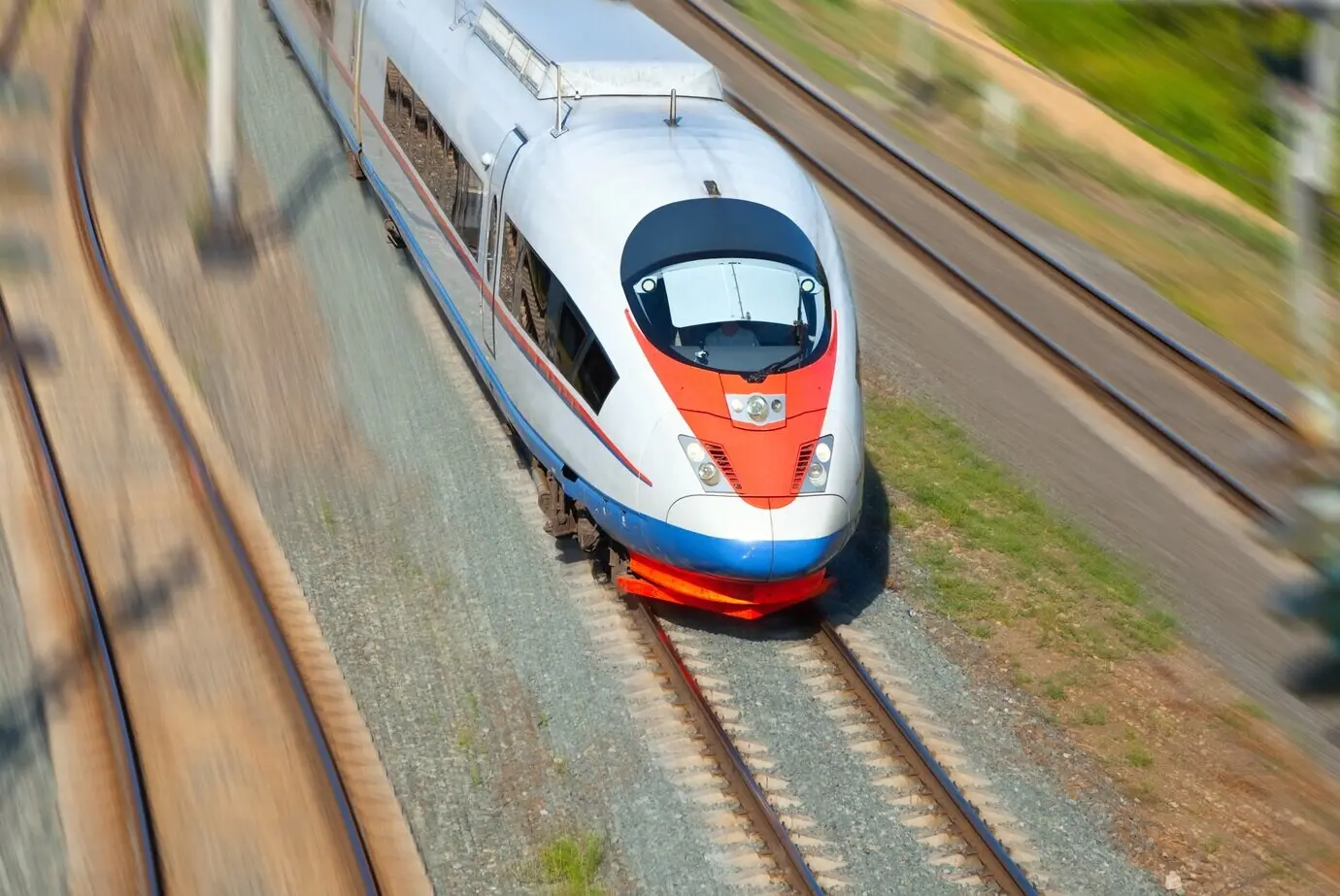
Write route names, starting points, and weather, then add sketches of portals, notes on birdsong reverberating in tunnels, and snippets of conversations overheard at cafés. Press a leaf where legal, or tape in a photocopy of a historic timetable. Number pages, cross-reference map gridlines, and mark questions to research later. Over months, patterns emerge—where floods recur, where violets bloom first, where bats prefer roosts. This evolving companion turns casual outings into an ever-deepening, richly storied practice.